India Won Independence, But Are Our Wetlands Truly Free?

Deep Diving into History
In the late 18th century, aboard the Duke of Grafton, a journey began that would intertwine love, ambition, and unintended consequences. Warren Hastings, the first Governor-General of India, found himself captivatedānot by politics or power, but by a woman. Marian von Imhoff, a strikingly beautiful and intelligent woman, was traveling with her husband, Baron Carl von Imhoff, a struggling portrait artist.
The voyage to India was long, and within the confines of the ship, Warren and Marianās bond deepened. Despite the societal expectations of the time, their connection grew undeniable, with Marianās husband seemingly accepting their closeness. Upon reaching India, the von Imhoffs settled in Madras, but life there wasnāt kind to Carlās artistic aspirations. In pursuit of a better life, they relocated to Calcutta, where Marian and Hastings continued their affair, a scandalous relationship that drew whispers across the cityās social circles.
In 1775, Carl returned to Europe, leaving Marian behind. Their amicable separation paved the way for Marian and Hastings to solidify their love. By 1776, Marianās divorce was finalized, and the following year, she and Hastings married in a grand ceremony in Calcutta. Marian became a central figure in Hastingsā life, not just as his wife but as a remarkable hostess known for her elegance and charm. Together, they embodied a tale of passion and resilience during one of the most transformative periods in Indiaās colonial history.
But Marianās appreciation for beauty extended beyond social gatherings. She adored nature and was especially enchanted by a peculiar aquatic plant with delicate lavender flowersāthe water hyacinth. Determined to introduce its exotic beauty to Indian water bodies, she and Hastings facilitated its arrival, perhaps as a romantic gesture or simply an expression of Marianās refined taste.
Image: "Warren Hastings and His Second Wife in Their Garden at Alipore," painted by Johann Joseph Zoffany in 1784.
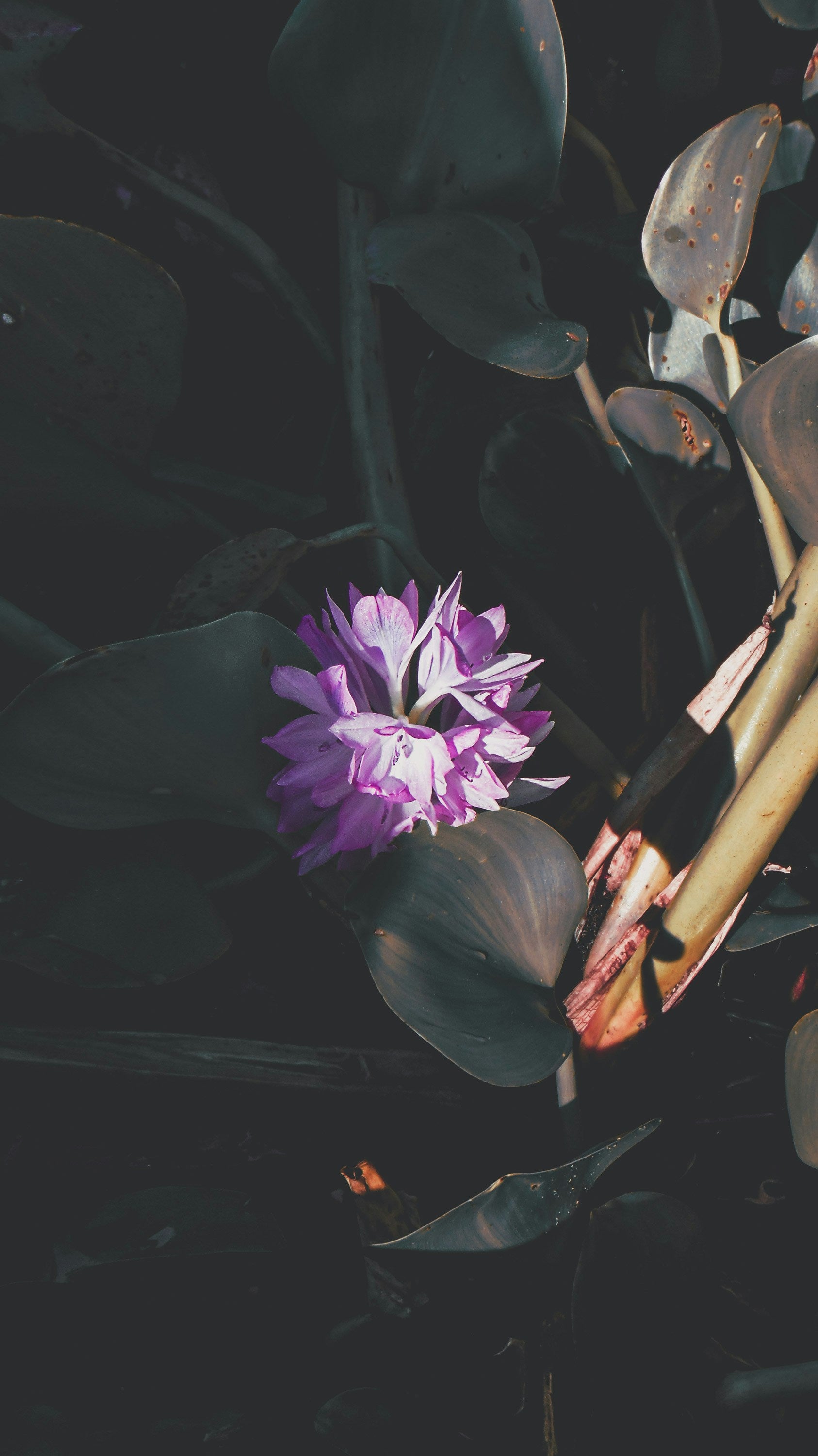
Yet, this seemingly harmless act brought consequences no one could foresee. The water hyacinth, native to the Amazon basin, thrived in Indiaās warm, tropical climate. Its lush, floating mats quickly spread, choking rivers, ponds, and wetlands. It blocked sunlight, depleted oxygen, and suffocated native aquatic life. What was intended as an ornament of beauty turned into an ecological nightmareāone that continues to haunt Indiaās wetlands centuries later.
As India achieved political independence in 1947, this invasive legacy of the British era remained, ensnaring our wetlands in a silent struggle for freedom.
Source: calcuttachronicle, thepaperclip
The Flower of Water Hyacinth
Beneath the Surface: The Dark Legacy of the Water Hyacinth
What started as a symbol of love and luxury has turned into one of India's most invasive and destructive natural adversaries. The water hyacinth, with its deceptive beauty, now masks an ecological tragedy that continues to unfold in our wetlands.
Once celebrated for its ability to transform muddy ponds into seemingly pristine reflections of the sky, the water hyacinth soon earned nicknames that revealed its true nature: āBengal Terrorā and āGerman Weed.ā These names resonate with its rapid rise to dominance, echoing the swift upheavals in history. In just nine days, the plant can double its population, spreading its green menace across water bodies and choking life beneath the surface.
A Loss of Natural Identity
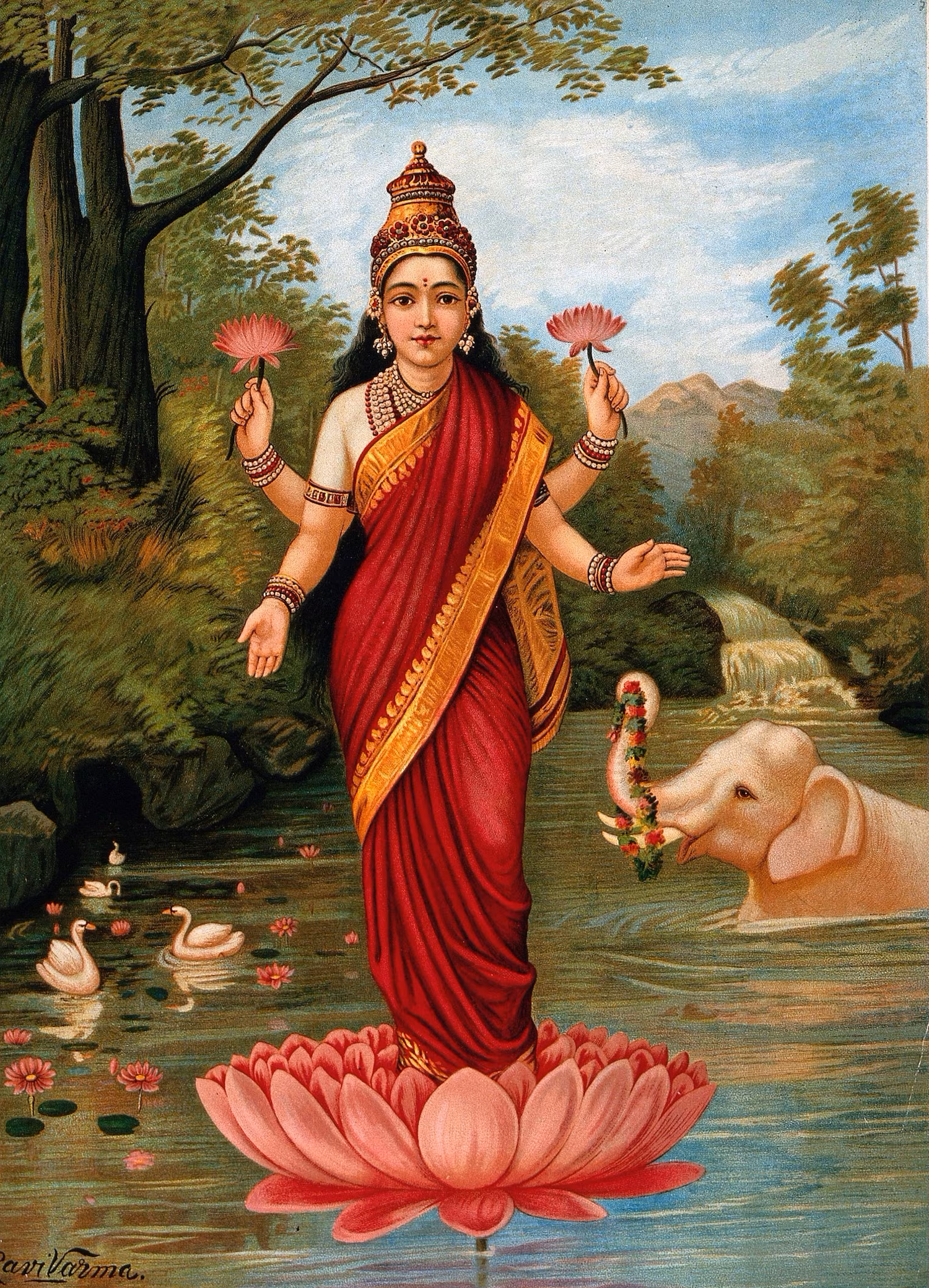
The lotus, Indiaās sacred flower and a key symbol of its cultural and spiritual identity, became an early victim of this parasitic plant. Once flourishing across India's wetlands, the lotus now struggles to survive, its delicate presence suppressed under the relentless spread of water hyacinth. The disappearance of native aquatic flora like the lotus isn't just an ecological lossāitās a cultural erosion, a silent attack on Indiaās national identity.
Image: "Goddess Lakshmi" by Raja Ravi Varma
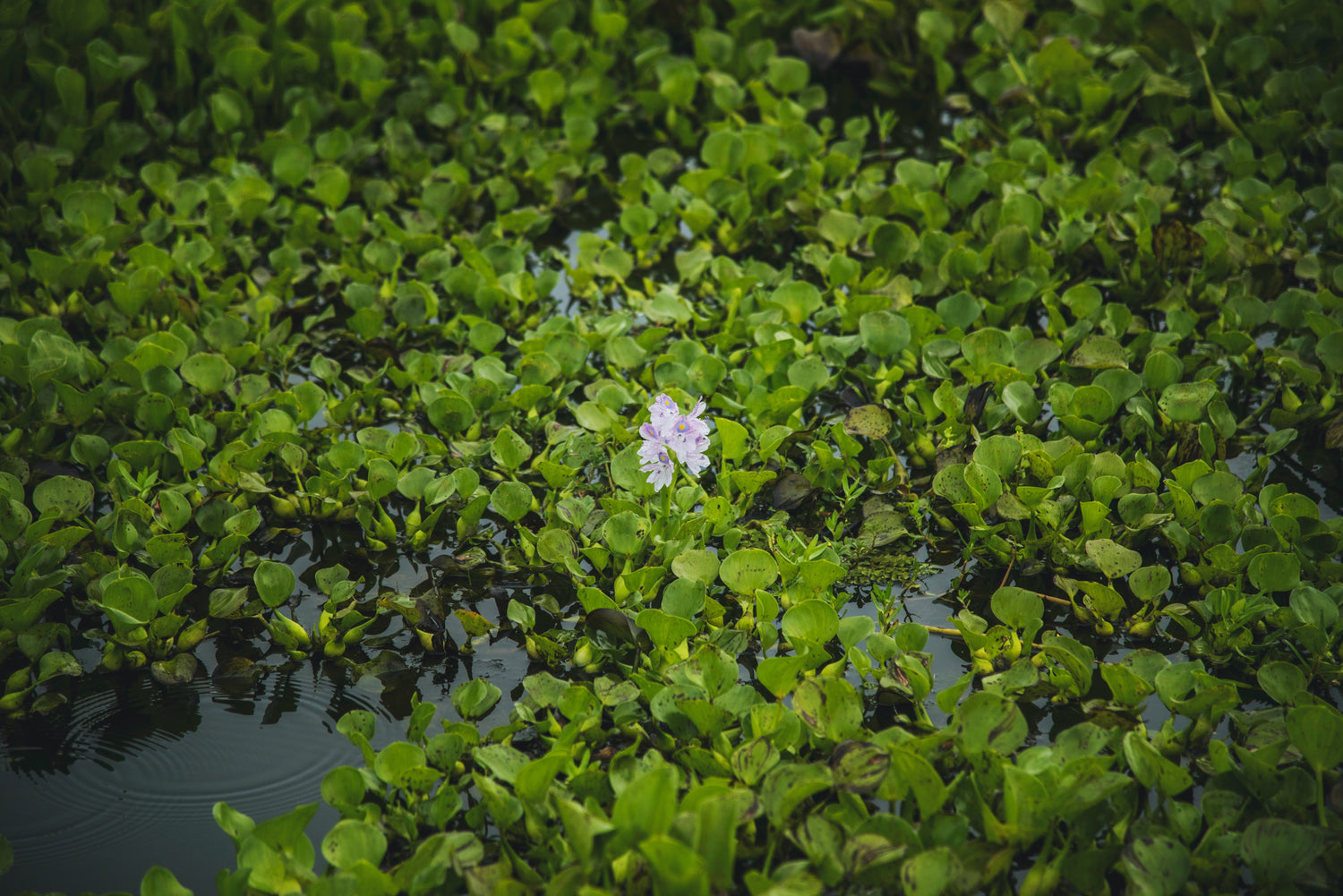
But the damage doesnāt stop at aesthetics or symbolism. Beneath its verdant facade lies a host of problems. The water hyacinth forms a thick, impenetrable mat over water bodies, blocking sunlight and halting photosynthesis. Aquatic plants die off, and oxygen levels plummet, creating dead zones where fish and other aquatic life can no longer survive. Instead of purifying the water, the plant releases carbon dioxide and methane, turning ponds and lakes into cesspools of decay.
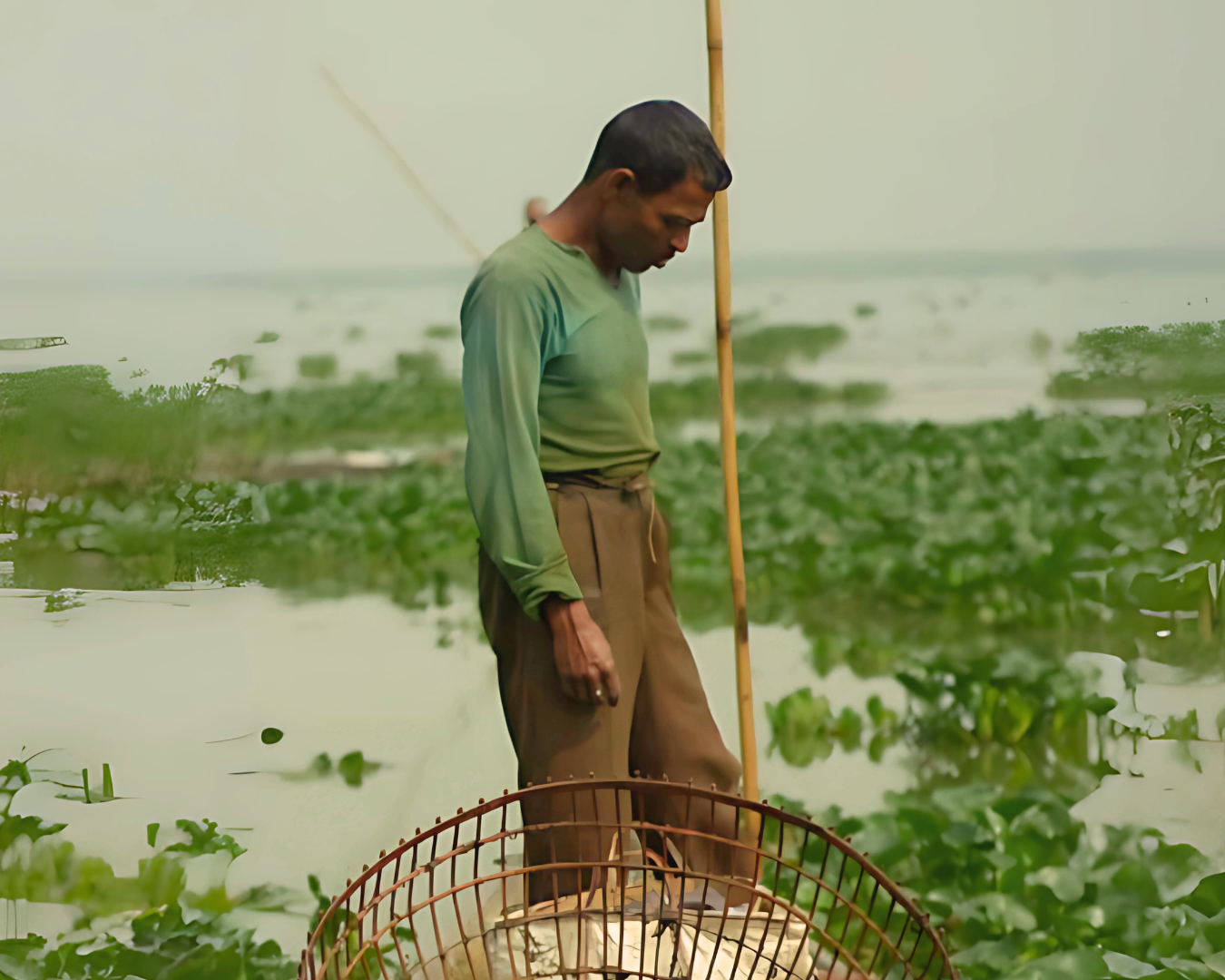
For villagers who depend on these water bodies, the consequences are devastating. Fishermen find themselves entangled in dense, floating weeds, unable to navigate their boats. Irrigation systems are clogged, leading to poor crop yields. Dead water hyacinth piles up in heaps, further lowering water levels, leaving ponds and lakes shallower and less usable.
"A fisherman from Assam explains in Assamese how water hyacinth disrupts his fishing and navigation."
To make matters worse, stagnant water trapped beneath these green blankets becomes a breeding ground for disease-carrying mosquitoes. Malaria and other waterborne diseases thrive in the shadow of this invasive plant, turning a once-picturesque scene into a health hazard for nearby communities.
This transformation of India's wetlands is a stark reminder of how beauty, when unchecked, can become a perilous disguise. What began as an ornamental plant to impress a wife or mistress has become a creeping invader, stripping our wetlands of life and our culture of its symbols.
It begged the question: How long will our wetlands remain enslaved to this silent oppressor? And what can we do to reclaim the sanctity and sustainability of these vital ecosystems?
Independence by Evolution
For decades, attempts to eradicate the water hyacinth from Indiaās wetlands have met with little success. From chemical treatments to mechanical removal, the invasive species has always managed to return, thriving in the very ecosystems it devastates. The resilience of this biological waste has long been seen as a curseābut what if it could become a blessing?
Instead of battling to destroy the water hyacinth, a new vision emerges: reimagining it as a resource. What if this seemingly worthless weed could contribute to something of value, something that not only reduces its impact but also benefits the environment and society?
This brings us to paperāan indispensable part of our daily lives. Every year, vast numbers of trees are felled to meet the worldās paper demand, a process that depletes forests and accelerates climate change. At the same time, discarded paper accounts for nearly 26% of global solid waste when not recycled. The production and disposal of paper form a cycle of destruction that strains both nature and human resources.
But here lies the opportunity: what if we could break this cycle using the very weed that clogs our waterways? The water hyacinth, with its fibrous structure, holds untapped potential as a raw material for handmade paper.
By harnessing this invasive plant, we can create a circular solutionāturning an ecological nuisance into an environmentally friendly product. This approach not only alleviates the pressure on forests but also addresses the growing issue of biological waste in our water bodies. Every sheet of paper made from water hyacinth is a step toward sustainability, a piece of innovation that gives back to the environment instead of taking from it.
The question, then, is no longer about whether the water hyacinth can be eradicated. Itās about how we can transform it into something meaningful. From waste to value, from nuisance to necessityāthis is the promise of a new perspective.
The story of water hyacinth is no longer one of unchecked destructionāitās a story of transformation. By reimagining this invasive species, weāve embraced innovation and sustainability, not just for the environment but for the lives it touches. This journey led us to our mission of creating Desh Ka Kagazāthe paper of the country. Rooted in the story of this plant, our mission symbolizes a greater purpose for India: to reclaim, restore, and redefine our relationship with nature.
At Kumbhi Kagaz, weāre committed to creating impact beyond paper. To discover how our work uplifts communities and builds a greener future.